Can the majority of an activity be of minority importance?
I ask because in the average club level match (UTR 2.5 – 4.5-ish) the ball is in play for…
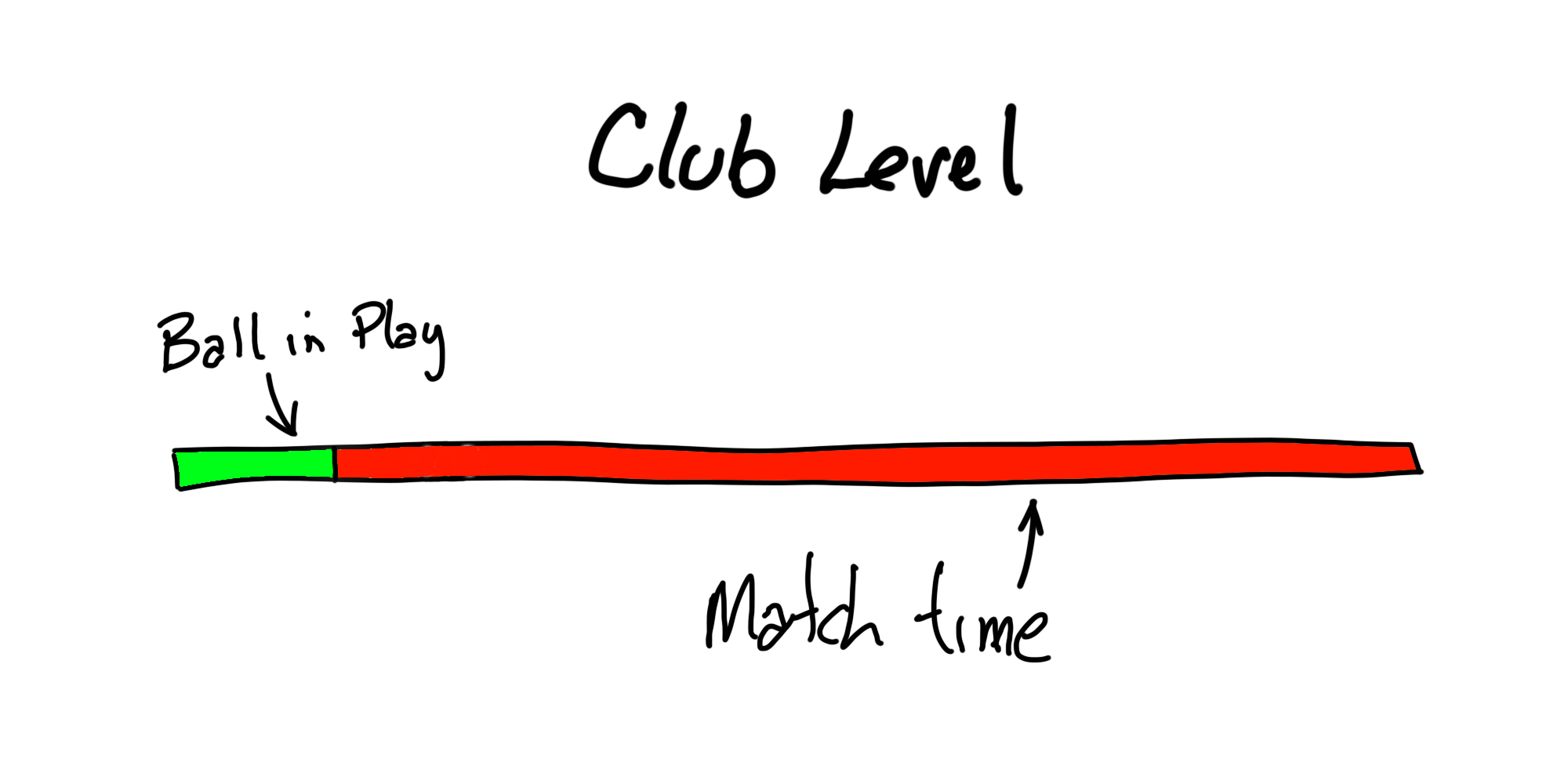
… less than 10 percent of the match time.
Yes, you read that right. More than ninety percent of your average tennis match is the time in between points.
The stats for the pros aren’t a ton better.
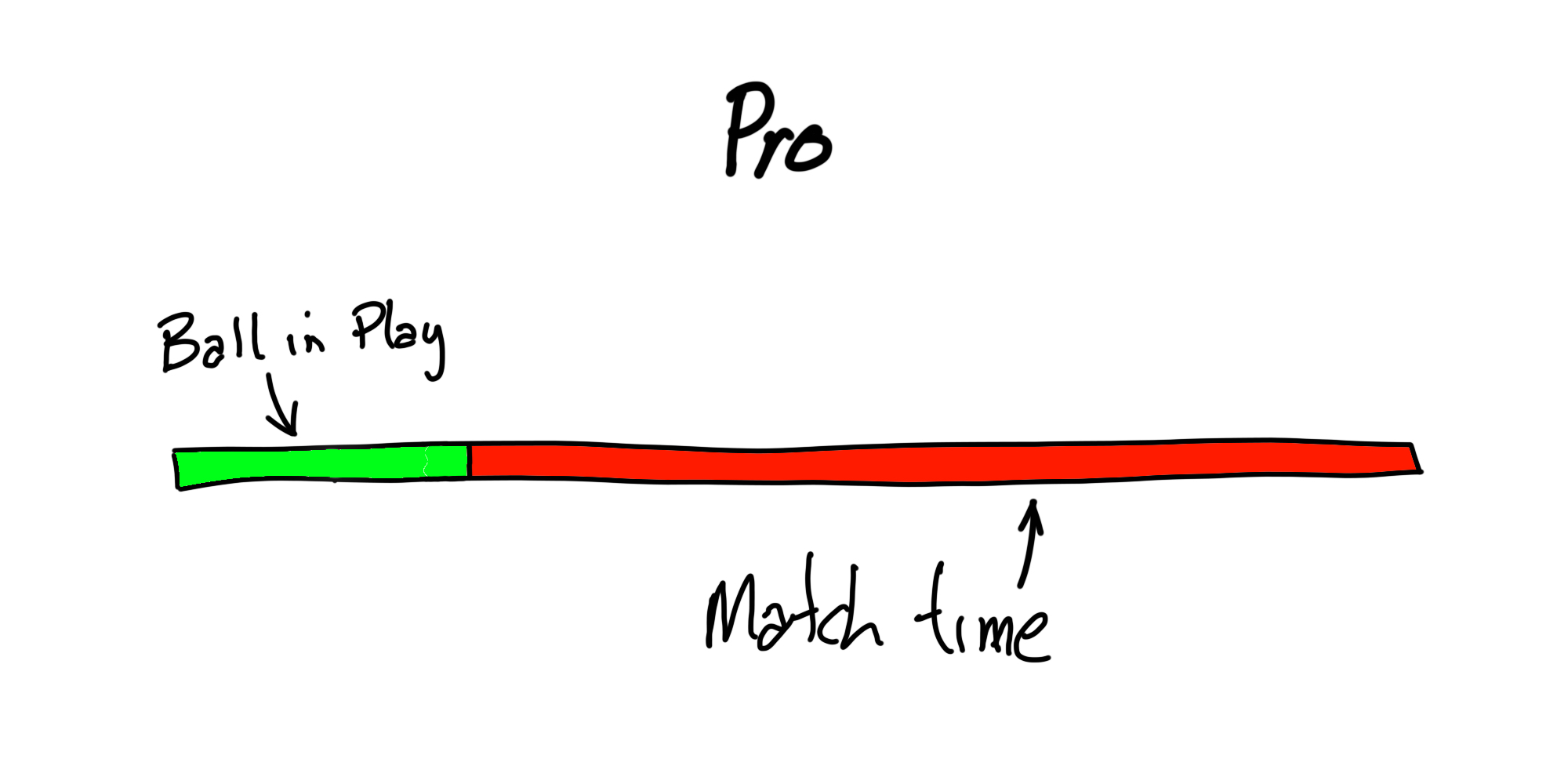 They keep the ball in play about twice as long, on slow surfaces… 50% longer on fast courts.
Meanwhile… 99% of tennis instruction is focused on the time the ball is in play.
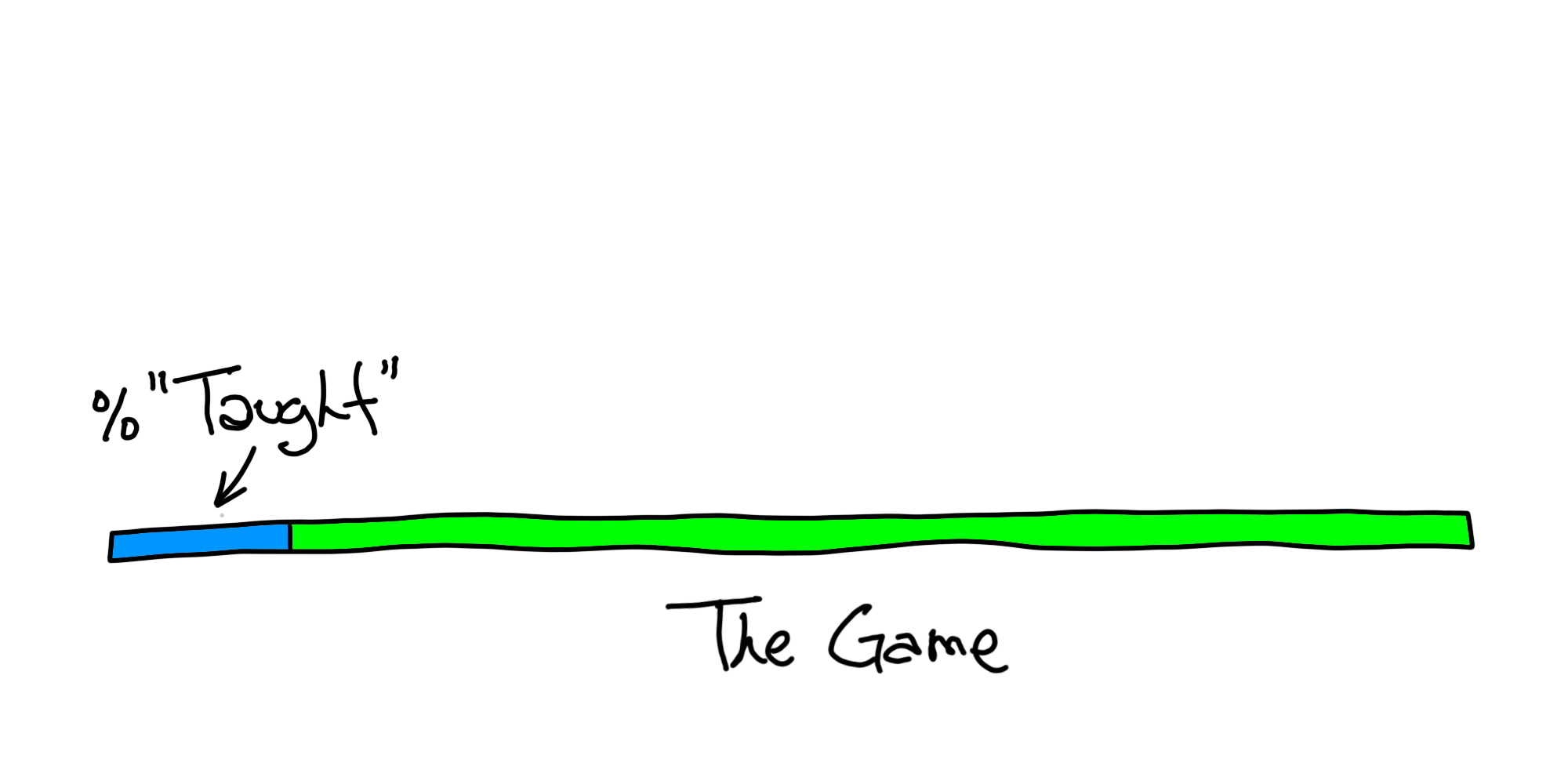
I’ll say that another way… the majority of coaching is focused on the minority of the game.
Doesn’t that bother you? I mean… I know, the time in between points seems like nothing… but… well, let me ask you this: two people are playing a match. They have the same amount of experience. Have equal technical abilities. Same physical condition too. The main difference between them: player A is ignorant of the in between time. Player B not only recognizes its existence, they’ve come up with productive ways to use it. Which player has the advantage?
It’s gotta be B, right? The in between time is something.
Next question: what are you gonna do about that?
If you think I’m talking about the mental game, I’m not. There’s no such thing as a distinct “mental” side to the game. It’s ALL mental. Everything is. I’m not suggesting thought control either. Jeez, if you could control your thoughts you wouldn’t have thoughts that needed to be controlled. Plus… I’ll write this post later but, for now I’ll just say that you, yourself, are just a thought. Can a thought control its thinker? Like I said, we’ll get to that in a different post. My suggestion, for our purposes here, is a system.
Remember, this is not a prescription! I’m not telling you what to do. I’m giving you a starting point… a trailhead for your explorations. Borrow it for a little bit… but with the expressed intent of abandoning it in favor of what you discover.
You have twenty five seconds in between points.
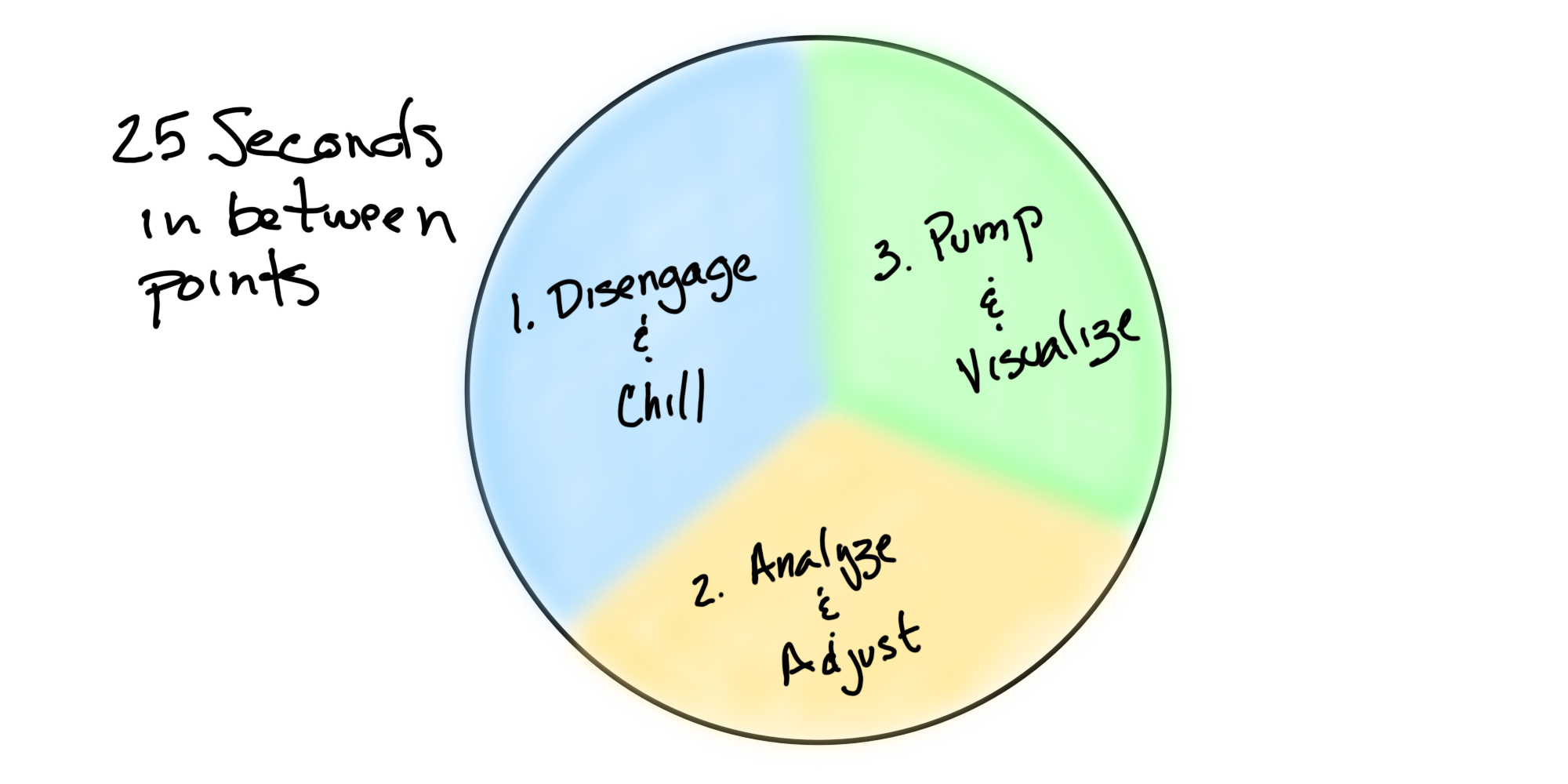
Use the first few ticks to disengage. Catch your breath… chill.
Take the next few seconds to analyze your situation. What’s working? What’s not. Be accurate… as in as little emotion as possible.
Use the next 5 or 6 seconds to think about the coming point. Where will you serve? Why? What are you looking for? Or… where might they serve? Where will you try to return it? Stuff like that.
Use the remaining time to get yourself fired up for the coming point. Visualize yourself executing what you want to do… fearlessly.
On changeovers you have more time for a more detailed analysis… of essentially the same stuff. Again… first third, disengage… relax. Second third, Is your game plan good? Are you doing it? Should you keep doing it? Final seconds… visualize, pump yourself up.
Yes, play is random and dynamic, and therefore totally unplannable. No worries, the point of the work flow isn’t accurately predicting the future. The point is giving yourself something to chew on… that isn’t your own liver.
No, it won’t keep the “intrusive thoughts” at bay. But it does give contrast to them. That’s important.
Like I said… this isn’t intended to be an answer for you. It’s a jumping off point. You’re borrowing a framework from me with the intent of discovering your way.
Give it a try. Let me know what you discover.