
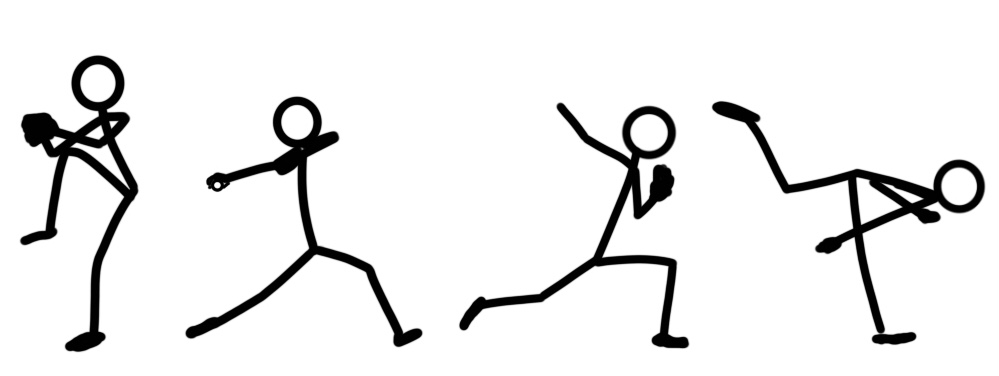
The kinetic chain: ground up, big to small, legs drive first, then torso uncoils, shoulder follows, arm whips, wrist snaps. A tidy distal to proximal tale of a hierarchy that promises efficiency, consistency, power, and injury proofing. The sacred scroll behind all technical teaching.
Ever wondered if it’s true? I mean, it’s your game. You expend a lot of time, money, and energy on it. Kinda seems like you owe it to yourself to do a little fact checking… dont’cha think?
I’ll help you out. This podcast focuses on a recent study of kinetic sequencing. The subjects of the study were baseball pitchers whose abilities ranged from high school to professional.
If the kinetic chain story is true we would expect the best pitchers to be firing in order… right? What I’m saying is… if we numbered the links in the chain…. Legs 1, torso 2, shoulder 3, arm 4, and wrist 5… we’d expect the sequencing of the best pitchers to be 1-2-3-4-5, and the sequences of the lesser pitchers to be more random and chaotic.
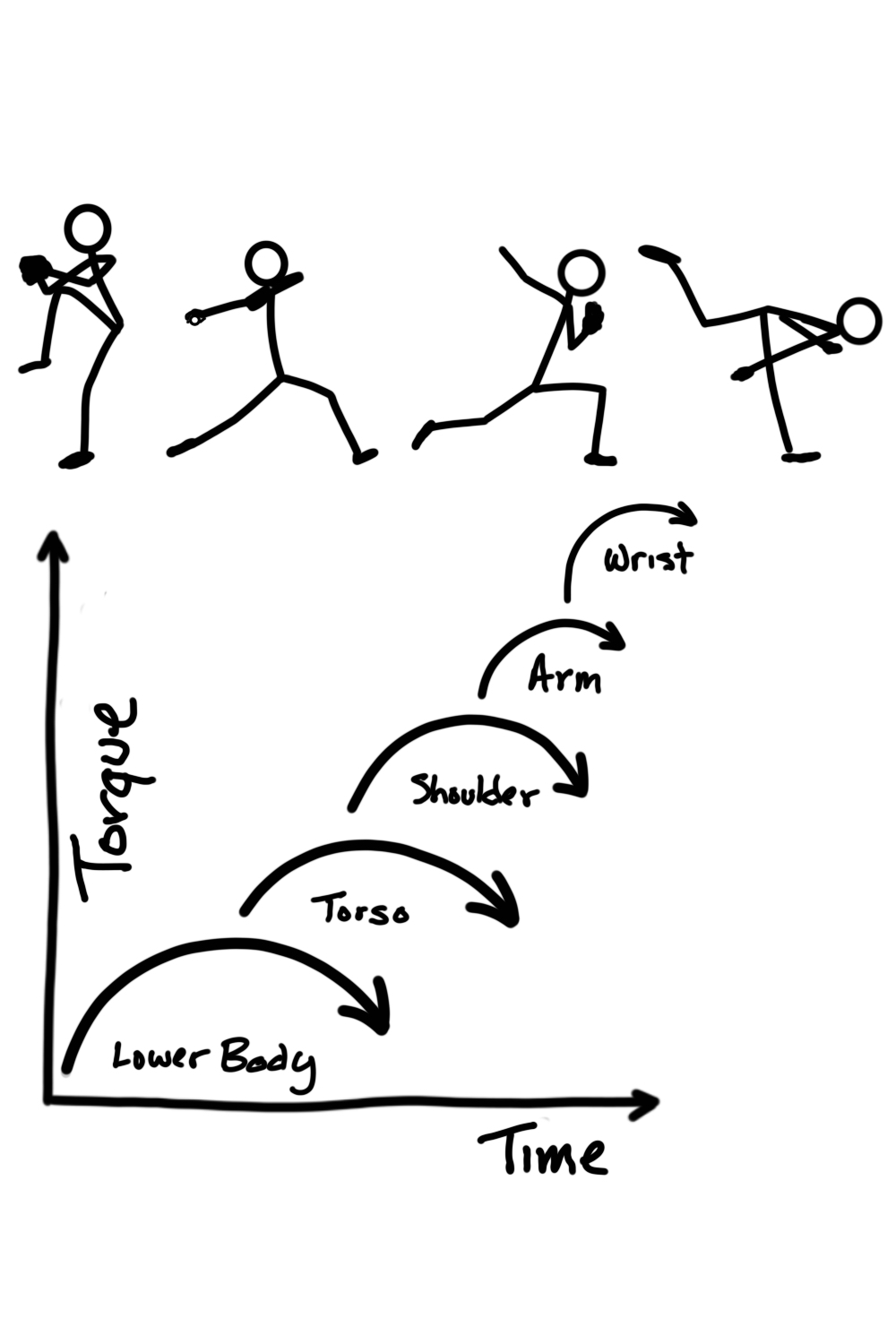
Makes sense right?
Yeah… that is not what we find. The most expected, and consistent kinetic sequencing (1-2-3… etc) was exhibited by the lowest skilled pitchers (the high school pitchers). The least expected and most variable kinetic sequences were found in the professional pitchers. Which, interestingly enough, is where we also find the most consistent velocities. Furthermore, the pro pitchers exhibited the most variability in their kinetic sequences. The lowest skilled, the least.
All of which seems counter intuitive, but tracks with the great Nikolai Bernsteins discovery of what he called the degrees of freedom problem.
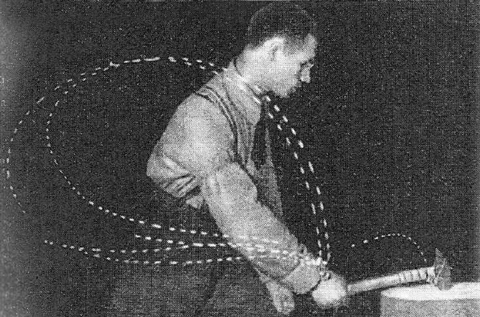
Bear in mind, pitching is a self paced, closed skill. Meaning, the pitcher doesn’t respond they initiate. Imagine the variability in sequencing in a reactive, open skill… like batting, or playing tennis.
The implications are… well, first, we’re at least a little, probably a lot wrong about the kinetic chain. Second, variability isn’t the bug we were told it was… it’s a feature. Third, it’s probably true that enforcing the idea of optimum sequencing may make players more vulnerable to injury. Think repetitive stress injuries. Repeat the same task enough times… injury ensues, right? Well, discourage adaptation and you force repetition.
Another story line emerges here. One I’ve highlighted many times here on my amazingly awesome site. The best most likely aren’t the best because of traditional coaching. They’re where they are in spite of it.
Ask your pro if they’re up to date on the current research about optimum kinetic sequencing. I triple dog dare ya…
PS. If you enjoyed this article… or at least found it interesting, there’s a high probability (like 95%) you’ll love my book, The Art of Holding Serve. Get your copy… like… now.
What are you waiting for? Seriously, I need the money…